
Structured cabling with ATEL: key facts
- Who: ATEL Technologies, Inc., a licensed low voltage and electrical contractor (CSLB #1121116, C-7 and C-10) based in Miramar, San Diego, in business since 1985.
- What: Cat5e, Cat6 and Cat6A copper cabling; OS2 single-mode and OM3/OM4/OM5 multimode fiber; cable tray, conduit and firestopping; MDF/IDF room build-outs; design drawings; testing and certification.
- Typical cost: $185-$325 per installed Cat6 drop and $250-$450 per Cat6A drop in San Diego (full price table).
- Standards: ANSI/TIA-568, TIA-569, TIA-606, TIA-607, BICSI TDMM, NFPA 70 and California Title 24.
- Testing: 100% of permanent links certified with Fluke testers; results, as-builts and labeling schedule delivered at close-out.
- Where: All of San Diego County and south Orange County, with multi-site rollouts coordinated nationally.
- Also on the same job: Wi-Fi, security cameras, access control, audio video, paging, ERRCS/DAS and phone systems, so one partner owns the whole low voltage scope.
What is structured cabling?
Structured cabling is a standardized system of copper and fiber optic cable, pathways, patch panels and telecom rooms that carries every low voltage signal in a building (data, voice, Wi-Fi access points, security cameras, access control and building systems) over one documented infrastructure, instead of separate cable runs for each device.
Because it's built to a published standard (ANSI/TIA-568), a structured system can be tested, labeled, warrantied and expanded without re-cabling the building every time hardware changes. A complete system has six parts: the entrance facility where carrier service arrives, the equipment room (MDF), backbone cabling between floors and buildings, telecom rooms (IDFs), horizontal cabling to each outlet, and the work area outlets themselves.

Structured cabling services we design and install
Six disciplines, one crew, one point of accountability. Most projects combine several, which is exactly why splitting them across separate vendors causes the finger-pointing you're trying to avoid.

Cabling design drawings
Permit- and bid-ready documents your GC, architect and inspector can build from.
- Riser and floor plan drawings
- Drop schedules and device counts
- Rack elevations
- Submittals and as-builts
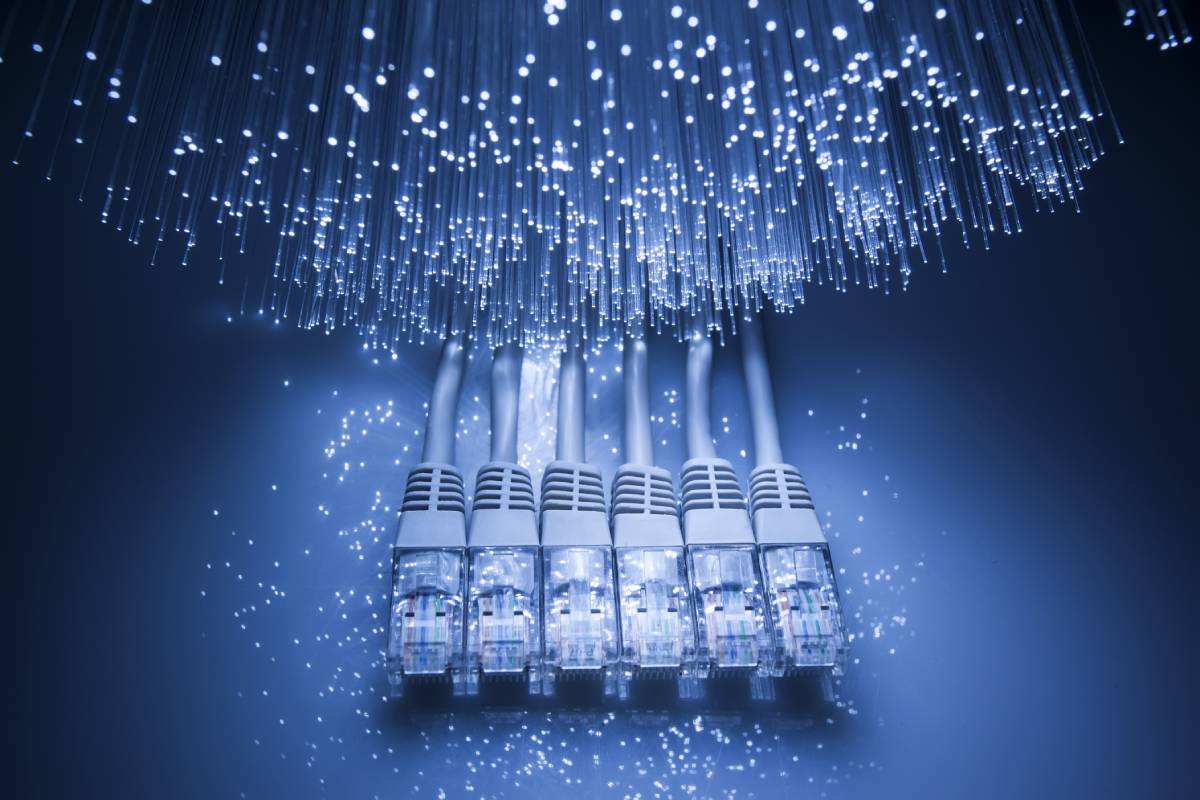
Data & voice cabling (Cat6 / Cat6A)
Horizontal copper pulled, terminated, tested and certified, from one drop to thousands.
- Cat5e, Cat6, Cat6A
- Shielded and plenum-rated
- PoE / PoE++ device drops
- Wi-Fi access point and camera drops

Fiber optic cabling
Single-mode and multimode backbone between buildings, floors and telecom rooms.
- OS2, OM3, OM4 and OM5
- Fusion splicing and termination
- OTDR and loss testing
- Inter-building and campus runs

Pathways & support
The conduit, tray and J-hook infrastructure that keeps a cable plant serviceable for 20 years.
- Cable tray and ladder rack
- Conduit and core drilling
- Firestopping at penetrations
- Abandoned cable removal

MDF / IDF build-out
Telecom room layout, grounding and dress-out designed for airflow, access and growth.
- Room layout and rack elevations
- Racks, cabinets, cable management
- Bonding and grounding (TIA-607)
- Labeling per TIA-606

Testing, certification & audits
Every link tested, documented and handed over, not spot-checked.
- 100% permanent-link results
- Fluke certification reports
- Infrastructure audits
- Remediation of failed cable plants
Cat5e vs. Cat6 vs. Cat6A vs. fiber: which cable do you need?
The right cable depends on the devices, the distance and how long you expect the building to use it. Here's how we advise San Diego clients.
| Cable | Max speed | Max distance | Best for |
|---|---|---|---|
| Cat5e | 1 Gbps (2.5 Gbps in many cases) | 100 m | Repairs and adds to existing Cat5e plants. Not recommended for new projects. |
| Cat6 | 1 Gbps; 10 Gbps to ~55 m | 100 m | Desks, phones, printers and standard PoE devices in smaller offices. |
| Cat6A | 10 Gbps | 100 m | Wi-Fi 6/6E/7 access points, PTZ cameras, PoE++ devices and new construction expected to last 15+ years. |
| Multimode fiber (OM3/OM4/OM5) | 10-100+ Gbps | ~300-550 m at 10 Gbps | In-building backbone between MDF and IDFs, server rooms. |
| Single-mode fiber (OS2) | 10-400+ Gbps | Kilometers | Building-to-building, campus and long backbone runs; future-proof backbone. |
Our default recommendation for new commercial work: Cat6A to every Wi-Fi access point and camera, Cat6 or Cat6A to desks, and single-mode fiber for backbone.
How much does structured cabling cost in San Diego?
In San Diego, a standard Cat6 data drop typically costs $185-$325 installed, terminated, tested and labeled, and a Cat6A drop typically costs $250-$450. Fiber backbone typically runs $14-$32 per linear foot, and an MDF/IDF room build-out runs $3,500-$18,000 per room.
Most contractors won't put numbers on a page. We will, because a budget number is the first thing you need. The ranges below cover most of the commercial work we quote.
| Item | Typical range | Unit | Notes |
|---|---|---|---|
| Cat6 data drop | $185-$325 | per drop | Terminated, tested, labeled. Standard ceiling access. |
| Cat6A data drop | $250-$450 | per drop | Required for 10G and higher-power PoE devices. |
| Wi-Fi access point drop | $275-$500 | per AP | Includes overhead mounting and PoE verification. |
| Camera / access control drop | $225-$425 | per device | Exterior and conduit runs price higher. |
| Fiber backbone | $14-$32 | per linear ft | Varies with strand count, pathway and splice points. |
| Fiber termination | $45-$95 | per strand | Fusion spliced, OTDR tested, results documented. |
| MDF/IDF room build-out | $3,500-$18,000 | per room | Racks, ladder rack, grounding, dress-out, labeling. |
| Design drawings only | Quoted per project | - | Riser, floor plans, schedules, rack elevations. |
Example budget: 40-drop office
A 40-drop Cat6 office tenant improvement with open ceilings typically lands between $7,400 and $13,000 for the cabling, before any racks, Wi-Fi hardware or after-hours work. Switching those drops to Cat6A typically adds $2,600-$5,000.
What moves the number
- Cable category and shielding
- Drop length and total quantity (volume lowers per-drop cost)
- Ceiling type and accessibility
- Conduit or core drilling required
- Occupied space vs. shell space
- After-hours or weekend work
- Prevailing-wage rules on public projects
- Asbestos or hazardous-material protocols in older buildings
Built to standard, licensed in California
Cabling that fails inspection or certification costs more to fix than it did to install. Here's what every ATEL job is built to.
| Standard / credential | What it covers |
|---|---|
| ANSI/TIA-568 | Commercial building telecommunications cabling; the performance standard every link is tested against. |
| TIA-569 | Pathways and spaces: how tray, conduit and telecom rooms are sized and routed. |
| TIA-606 | Administration and labeling, so the cable plant stays legible to whoever inherits it. |
| TIA-607 | Bonding and grounding for telecommunications infrastructure. |
| BICSI | Our designers and installers hold BICSI and manufacturer certifications; drawings follow BICSI TDMM practice. |
| NFPA 70 (NEC) | Plenum ratings, firestopping and removal of abandoned cable. |
| California Title 24 | State energy and building code requirements that apply to low voltage work. |
| CSLB #1121116 | California C-7 (low voltage systems) and C-10 (electrical) contractor. Bonded and insured. |
| Warranty | Manufacturer system warranties of up to 25 years available on certified Panduit, CommScope, Leviton, Belden and Siemon installations. |
How a cabling project runs
The real sequence, in order, so you know what happens and when you need to be involved.
- 1Site walkWe walk the space with you, or work from your plan set for new construction. No charge, no obligation.
- 2Design & drawingsRiser diagram, floor plans, drop schedule and rack elevations, issued for permit, bid or construction.
- 3Fixed proposalLine-item scope with quantities, materials and exclusions stated plainly. No surprises.
- 4Rough-inPathway, sleeves and cable pulled above ceiling, coordinated with the electrical and mechanical trades.
- 5Terminate & testJacks, panels and racks dressed and labeled. Every permanent link certified, not sampled.
- 6Close-outTest results, as-built drawings, labeling schedule and warranty registration delivered as one package.
Forty years of San Diego buildings
Since 1985 ATEL has cabled hotels, hospitals, city facilities, labs, warehouses and professional offices across San Diego County, often as the same contractor a client calls back for the next three buildings. A current example: data cabling and a RUCKUS Wi-Fi access point in every room of a 34-room coastal hotel in San Clemente, plus coverage for the common areas.
"ATEL always provides top notch service. We enjoy working with Kathy and Skyler. ATEL is our go-to for all cabling needs, techwork, etc."
M. Bailey, Barrister Executive Suites · Commercial real estate, LA & San Diego
"Let me compliment you on the cabling work ATEL has done so far. Very nice."
Jim, Cornerstone · Professional services, San Diego
"Man you guys are awesome - great job!"
Project team, Hensel Phelps Construction · General contractor, San Diego
Industries we cable
- Hotels & hospitality
- Healthcare & medical offices
- Government & municipal
- K-12 & higher education
- Warehouse & distribution
- Biotech & laboratory
- Professional offices
- Multi-tenant & executive suites
- Retail & restaurant
- Server rooms & data closets
- New construction & TI
Where we install
From our office in Miramar we serve all of San Diego County, including downtown San Diego, Kearny Mesa, Sorrento Valley, Mira Mesa, Scripps Ranch, Rancho Bernardo, La Jolla, Carlsbad, Vista, Oceanside, Escondido, Poway, El Cajon, La Mesa, Chula Vista and National City, plus south Orange County. Multi-site clients get one coordinated rollout outside the region.
Structured cabling FAQ
How much does a data cable drop cost in San Diego?
A standard Cat6 data drop in San Diego typically costs $185 to $325 installed, terminated, tested and labeled. Cat6A drops typically run $250 to $450. Price depends on cable category, run length, total quantity, ceiling access, conduit requirements and whether work happens after hours.
What is the difference between Cat6 and Cat6A?
Cat6 supports 10 Gigabit Ethernet up to roughly 55 meters; Cat6A supports it across the full 100-meter channel and handles heat better under high-power PoE. Cat6A is usually the better long-term choice for Wi-Fi access points, PTZ cameras and PoE++ devices. Cat6 is still appropriate for standard desktop and phone drops.
How long does a structured cabling installation take?
A small tenant improvement with 20 to 40 drops is typically one to three days on site. A full floor of 150 to 300 drops usually runs one to two weeks. Multi-floor and campus projects with fiber backbone and multiple telecom rooms are scheduled in phases alongside the other trades.
Do you provide the design drawings, or do I need an engineer?
ATEL produces them. We deliver riser diagrams, floor plans, drop schedules and rack elevations suitable for permit, bid or construction. If you already have a consultant's drawing set, we build to it and flag conflicts during submittal review.
Do you test and certify every cable?
Yes. Every permanent link is tested with a Fluke certification tester against the applicable TIA-568 category, and the results are delivered in the close-out package with as-built drawings and the labeling schedule. ATEL does not spot-check a percentage of drops.
What is the difference between an MDF and an IDF?
The MDF (main distribution frame) is the building's main telecom room, where the internet service enters and the core network equipment lives. IDFs (intermediate distribution frames) are smaller telecom rooms on other floors or wings that connect back to the MDF over fiber or copper backbone and serve the drops in their area.
Should I use single-mode or multimode fiber?
Single-mode fiber (OS2) is the standard choice between buildings and for long runs because it carries high speeds over many kilometers. Multimode fiber (OM3, OM4, OM5) is common inside a building for shorter backbone runs and data rooms. Many new projects use single-mode throughout so the backbone supports future speeds.
How long does structured cabling last?
A properly installed and documented cable plant typically stays in service 15 to 20 years, outlasting several generations of network hardware. That is why choosing Cat6A and single-mode fiber on new projects is often the cheaper decision over the life of the building.
Can you work in an occupied building?
Yes. Much of ATEL's work is in operating hotels, medical offices and government facilities. We schedule around business hours, work nights and weekends where required, and stage the cutover so the old system stays live until the new one is tested.
Do you remove old abandoned cable?
Yes. The National Electrical Code (NFPA 70) requires the accessible portion of abandoned communications cable to be removed, and inspectors do cite it. ATEL quotes removal as a separate line item so you can see the cost up front.
Is ATEL a licensed cabling contractor?
Yes. ATEL Technologies, Inc. holds California CSLB license #1121116 with C-7 (low voltage systems) and C-10 (electrical) classifications, is bonded and insured, and has served San Diego businesses since 1985.
What areas does ATEL serve for structured cabling?
ATEL serves all of San Diego County from its office in Miramar, including downtown San Diego, Kearny Mesa, Sorrento Valley, Mira Mesa, Carlsbad, Oceanside, Escondido, Poway, El Cajon, La Mesa and Chula Vista, plus south Orange County. Multi-site rollouts outside the region are coordinated as a single project.
Start with a free site walk
Tell us what the building is and what has to work in it. We'll walk the space, put real numbers to it, and show you the drawings before anyone pulls cable.
ATEL Technologies, Inc. · One Partner. Every Low Voltage & IT Need.9580 Black Mountain Rd, Suite A, San Diego, CA 92126 · (858) 646-4600 · Mon-Fri 8am-5pm